The lowest bathroom remodel bid can hide missing waterproofing, weak allowances, permit gaps, and payment terms that become change orders after demolition starts.
What should bathroom remodel contractors include in a bid before a homeowner signs?
Use the bid as a scope document, not just a price. A reliable bid from bathroom remodel contractors identifies demolition, rough-in trades, waterproofing, finish allowances, permit responsibility, inspections, exclusions, and change-order pricing before any deposit is paid.
- Confirm that demolition, framing, plumbing, electrical, ventilation, waterproofing, tile, fixtures, cleanup, and disposal appear in each bid.
- Mark every allowance, alternate, exclusion, and owner-supplied material before comparing totals.
- Ask who pulls permits, schedules inspections, protects the house, and corrects failed inspections.
A bathroom remodel bid should separate scope, allowances, and exclusions
Bathroom renovation contractors should separate included work from allowances for tile, vanity, faucets, lighting, shower glass, mirrors, and accessories. Exclusions need the same clarity. Rotten subfloor repair, drain relocation, framing correction, code upgrades, and concealed water damage often become change orders when the bid hides them.
A bathroom remodel bid should document existing site conditions
Remodeling bathroom contractors should record visible conditions that affect price: slab foundation, second-floor access, older wiring, shutoff access, floor deflection, fan duct route, electrical panel capacity, stains below the bathroom, and soft flooring near the toilet or shower.
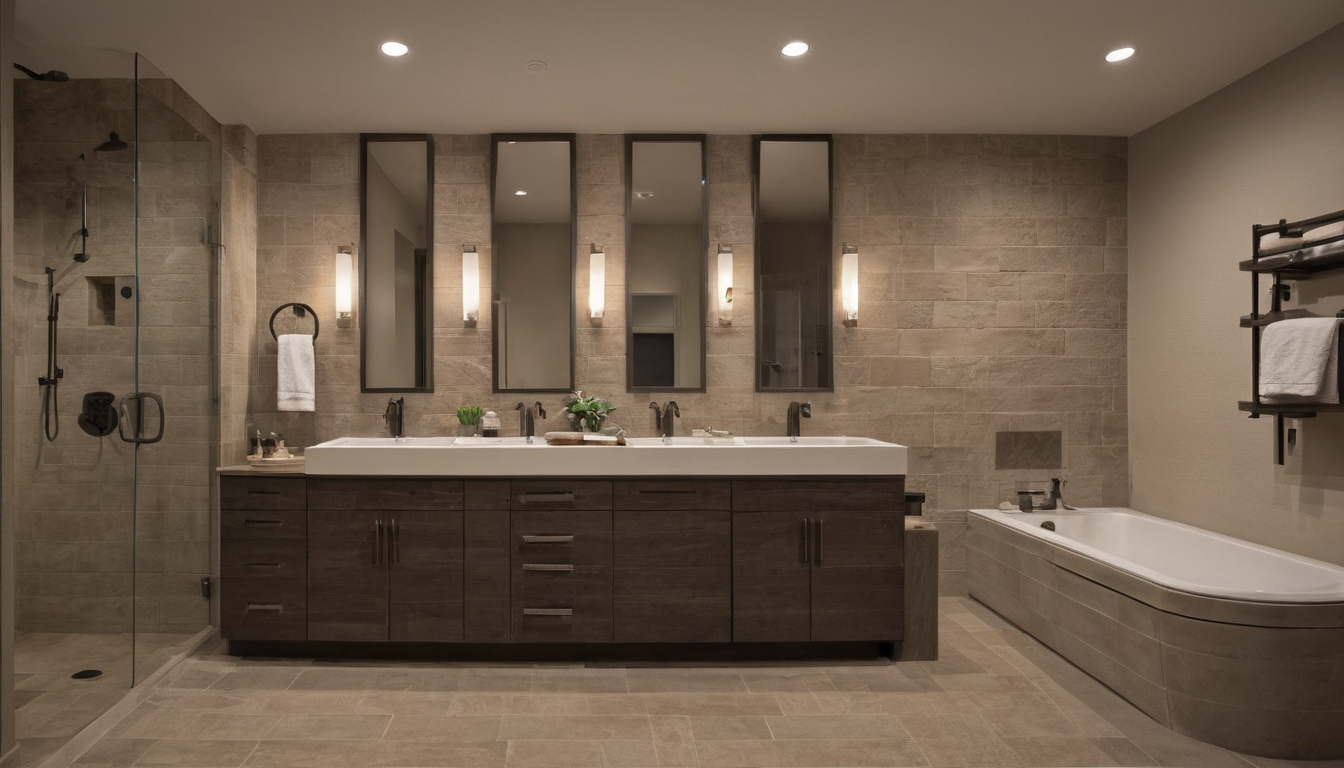
What should bathroom remodel contractors include in a bid before a homeowner signs shown as a planning reference for layout, scale, and material decisions.
Which bathroom remodel allowance details make contractor bids hard to compare?
Break each allowance into item, quantity, quality level, tax, freight, installation labor, and waste factor. Bathroom remodel allowances become risky when one number covers material only or assumes a product the homeowner would not choose.
Tile allowances should identify square footage, trim pieces, layout, and waste
A useful tile allowance separates shower wall tile, floor tile, curb tile, niche tile, backsplash tile, trim pieces, edge profiles, setting materials, and grout. It should also state layout, tile size range, waste factor, and substrate prep, because straight-lay ceramic tile is not priced like mosaics, herringbone, large-format panels, or patterned tile.
Fixture allowances should state brand level, valve compatibility, and owner selections
Fixture allowances should read like a selection schedule. Faucets, shower trim, rough-in valves, toilets, tubs, drains, vanities, mirrors, medicine cabinets, towel bars, and shower glass should include model numbers when selected or a clear quality level when not selected. The bid should also say whether labor, blocking, drain work, supply work, flange repair, or valve changes are included.
Electrical, lighting, and ventilation allowances should include labor and code work
Electrical and ventilation allowances should identify recessed lights, vanity lights, heated floors, GFCI-protected receptacles, switches, dedicated circuits, fan capacity, duct routing, exterior termination, patching, permits, and inspection time. The U.S. Environmental Protection Agency recommends increasing ventilation when products that emit volatile organic compounds are used indoors, so fan planning belongs in the remodel scope.
Bathroom shower remodel bids should specify the waterproofing assembly, not just tile
Require the shower assembly in writing. A bathroom shower remodel bid should name the shower pan, drain, slope, backer board, membrane, seams, penetrations, flood test, and manufacturer compatibility.
The shower pan, drain, slope, and flood test should be named in the bid
A complete bid should identify the pan method, such as a traditional liner, bonded waterproof membrane, foam tray, prefabricated receptor, or another approved assembly. It should also name the matching drain, planned slope, and whether a flood test or shower pan inspection is required locally.
- Risk flag: “Install tile shower” with no pan method, drain type, or waterproofing description.
- Risk flag: A curb, niche, bench, or linear drain shown on the design but missing from the waterproofing scope.
- Risk flag: No written plan for flood testing before tile covers the receptor.
Backer board, membrane, seams, corners, and penetrations must be compatible
The bid should state the board type, membrane type, seam treatment, corner treatment, fastener method, pipe seals, mixing valve seal, and waterproofing for niches or benches. Mixed materials are not automatically wrong, but the installer should show manufacturer instructions that allow the combination.
Tile setting details should cover movement joints, grout, and cure time
Tile is the visible finish, not the water-control layer. A better bid names the mortar type, grout type, sealant locations, movement joints, layout, edge trim, and cure time before shower use.
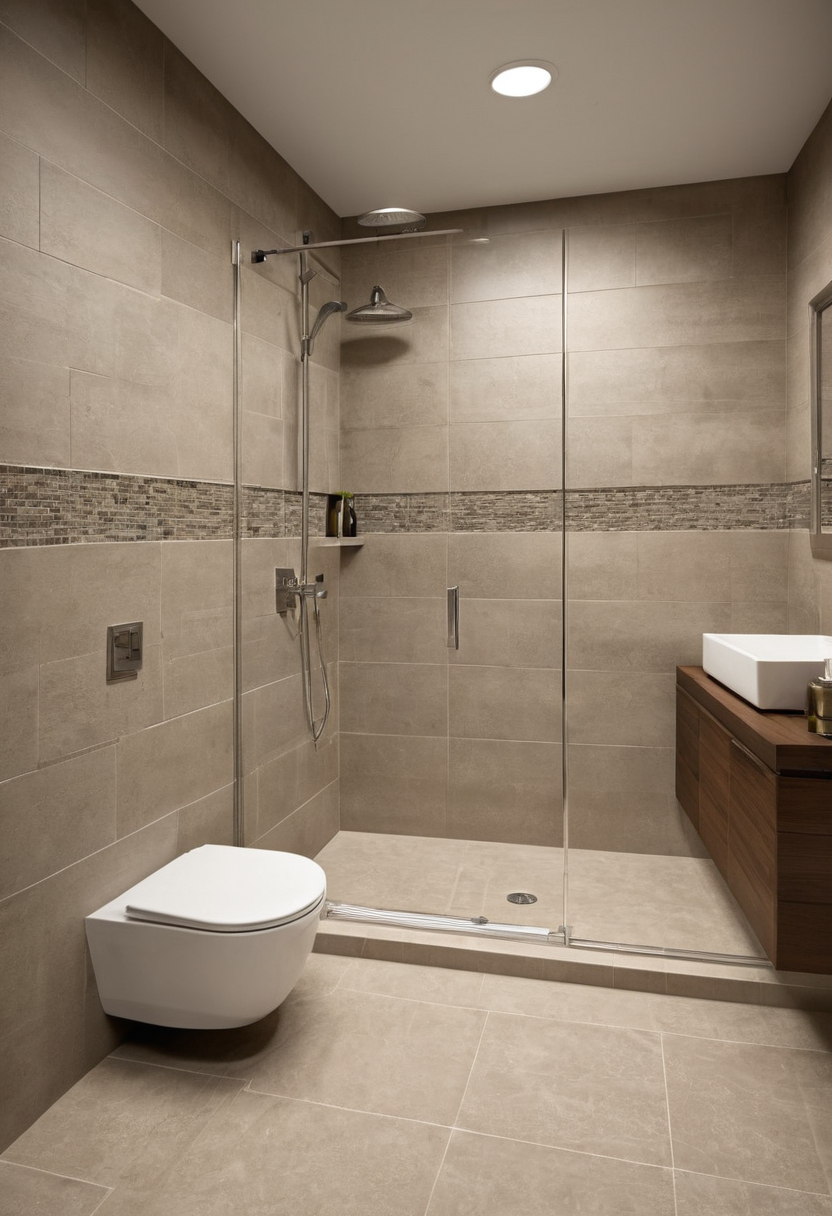
Bathroom shower remodel bids should specify the waterproofing assembly, not just tile shown as a planning reference for layout, scale, and material decisions.
Which permits and inspections should appear in a bathroom remodel contractor bid?
Match the bid to local permit triggers to reduce inspection delays and arguments about compliance.
| Bid line to verify | What the bid should say | Why it affects price and schedule |
|---|---|---|
| Permit responsibility | Name the applicant, permit types, plan documents, and inspection scheduling duty. | The State of Oregon Building Codes Division says the homeowner or contractor performing permitted residential work is responsible for required permits, and issued permits and approved plans must be on site for inspection. |
| Trade permits | List plumbing, electrical, mechanical ventilation, gas, and structural permits when systems change. | The City of Lawrenceville, Georgia treats interior remodeling and alterations to electrical, mechanical, plumbing, or building structure as renovation permit territory under its local rules. |
| Finish-only work | Separate cosmetic work from hidden system work behind walls or floors. | Augusta, Georgia lists painting, papering, tiling, carpeting, cabinets, countertops, and similar finish work as exempt building work, but separate trade triggers may still apply. |
Plumbing, electrical, and ventilation changes usually trigger permit questions
Ask bathroom remodel contractors to mark every fixture, circuit, fan, duct, and drain that moves. Oregon identifies structural, plumbing, mechanical, and electrical changes as permit categories for certain residential work, requires permits for installing or altering permanent wiring, and treats bath vents as mechanical work when installing bath fans or other vented appliances.
Structural changes, older homes, and hazardous materials need separate review
Flag wall removal, joist cutting, subfloor repair, recessed medicine cabinets, widened openings, and changed window sizes before comparing prices. Lawrenceville requires a structural permit when work affects structural integrity, including major structural alterations, structural repairs, floor-plan changes, and demolition of load-bearing walls. Older bathrooms may also need investigation and containment if materials may contain regulated hazards.
How should homeowners verify bathroom renovation contractors before comparing price?
Verify the contractor before trusting the number. Homeowners should confirm license status, insurance, bonding if required, trade subcontractors, permit experience, references, warranty terms, and local bathroom experience.
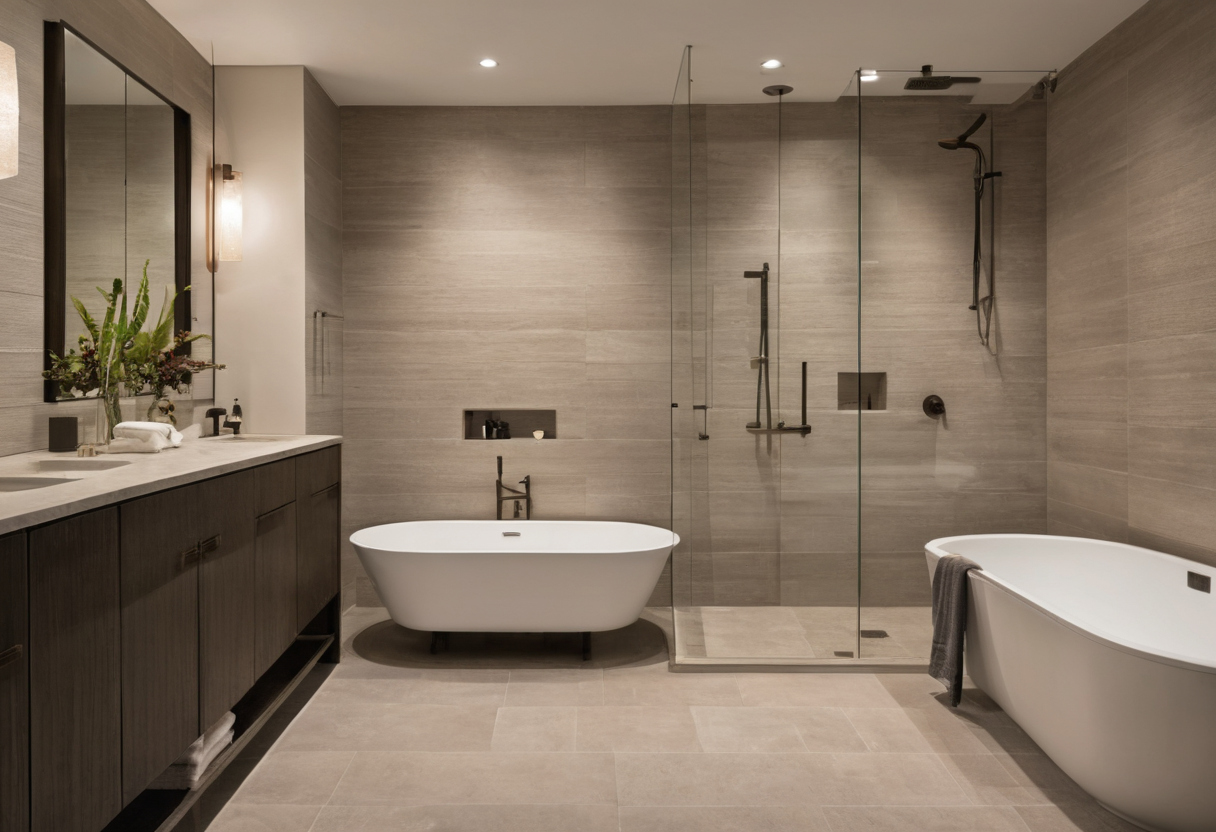
How should homeowners verify bathroom renovation contractors before comparing price shown as a planning reference for layout, scale, and material decisions.
A contractor license check should match the legal business name on the bid
A license search should start with the legal business name, not the showroom name, salesperson name, or truck logo. The bid should show the business address, license number, license classification, expiration date, and authorized signer. California’s Contractors State License Board provides public tools such as License Check and Find A Licensed Contractor.
North Carolina gives a useful verification lesson: the North Carolina Licensing Board for General Contractors states that general contractor licenses are issued to specific legal entities and are valid only for work done by that entity.
Insurance and subcontractor information should be current before work starts
Ask for current certificates for general liability and workers’ compensation, and confirm who supervises plumbing, electrical, mechanical ventilation, tile, waterproofing, and shower glass subcontractors. For California home improvement work, CSLB states that a contractor may not receive a down payment greater than $1,000 or 10 percent of the contract price, whichever is less.
A bathroom remodel near me search should be followed by local proof
A bathroom remodel near me search only proves marketing reach. Local proof means recent bathroom references in the same area, photos of comparable bathrooms, supplier relationships, and permit experience with the local building department. Ask references about schedule accuracy, dust control, waterproofing inspection, change orders, punch-list completion, and whether the contractor returned after final payment.
Which bid terms reduce bathroom remodel change orders, schedule delays, and payment risk?
Put change orders, schedule duties, and payment milestones in the bid so the contract can be managed after demolition exposes the house.
Change-order rules should state pricing, approval, and hidden-condition handling
Change-order language should require a written description, fixed price or unit price, schedule impact, approval signature, and date before extra work starts. Common bathroom surprises include rotten subflooring, damaged framing, mold-related cleanup, unvented fans, undersized wiring, old galvanized plumbing, and floors too uneven for large-format tile. The EPA mold and moisture guide says wet or damp spots should be fixed promptly to help prevent mold growth.
Schedule terms should cover selections, access, protection, and inspections
Schedule terms should name homeowner selection deadlines for tile, grout, fixtures, vanity, lighting, shower glass, mirrors, and hardware. The bid should also state work hours, water shutoff notice, floor protection, dust control, daily cleanup, toilet downtime, waterproofing cure time, shower glass measurement timing, and inspection windows.
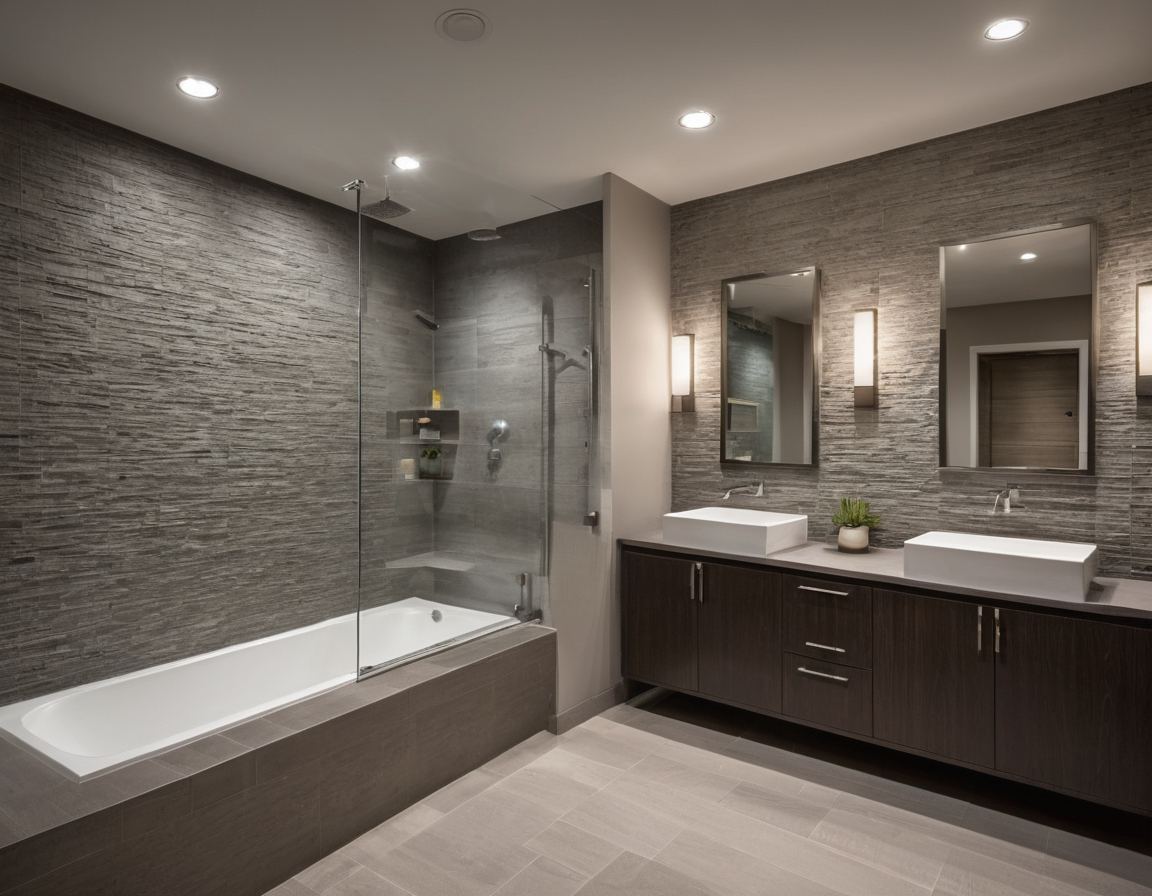
Which bid terms reduce bathroom remodel change orders, schedule delays, and payment risk shown with floor, wall, and fixture relationships visible.
Payment terms should align with completed work and local lien rules
Payment terms should follow visible milestones: demolition complete, rough plumbing and electrical complete, inspections passed, waterproofing complete, tile set, fixtures installed, and final punch list complete. For California covered home improvement work, the Contractors State License Board states additional payments cannot exceed the value of work performed or material delivered. Local lien rules vary, so the contract should require lien releases as payments are made.
FAQ
Can a bathroom remodel contractor inspect a house before I make an offer?
Yes. A contractor can often provide a visible-condition review, but concealed plumbing, framing, wiring, moisture damage, and permit issues may still require later investigation.
What are red flags when hiring bathroom remodel contractors?
Red flags include vague allowances, no waterproofing method, no license match, pressure for a large deposit, missing insurance documents, and unclear permit responsibility.
Is it important to check references before hiring bathroom renovation contractors?
Yes. References help verify schedule control, dust protection, waterproofing quality, change-order behavior, punch-list completion, and post-payment responsiveness.
What is the 30% rule in remodeling, and does it apply to bathroom remodel bids?
The phrase usually describes keeping a contingency for unknowns or avoiding overinvestment. For bids, use it only as a planning cushion, not as a substitute for detailed scope review.
How many bathroom remodel bids should a homeowner compare before hiring?
Three comparable bids are usually enough if each bid uses the same scope, allowance detail, permit assumptions, waterproofing requirements, and payment terms.